







Search Results for: dripper evolution

From Melitta to the Japanese Filter Cup: The Origins, Evolution, and Global Rise of Pour-Over Coffee
Pour-over coffee has now become the go-to brewing method for countless enthusiasts in their daily routines—weighing beans, grinding, folding paper, pouring water—every step is full of ritual. But have you ever wondered where this drip-filter brewing method actually came from? And who invented the first dripper and filter paper? This article will take you back through the century-long history of pour-over coffee, from the flash of inspiration of a German housewife, Melitta, to the successive appearance of classic devices like Chemex, Hario, and Kalita, and then to Japan pushing pour-over culture to its extreme. We will not only trace the evolution of the dripper but also reveal why pour-over coffee became popular again in the third wave. Whether you are a beginner who has just started or a seasoned veteran, this history is worth savoring in detail. [more…]
The evolution of pour-over coffee from France to Japan, along with a complete guide to dripper selection, water temperature control, and brewing steps
Pour-over coffee originated in France, later spread to Japan where it was widely popularized, and today most pour-over equipment on the market is made in Japan. This article begins with an experience of trying pour-over coffee at Starbucks, introduces the full set of equipment needed for pour-over coffee—dripper, gooseneck kettle, server, thermometer, digital scale, and timer—analyzes the differences among three types of drippers in terms of flow rate, flavor, complexity, cleanliness, and body, and provides reference ranges for the relationship between water temperature and extraction, the corresponding ratios of cup volume to coffee dose, as well as specific brewing steps such as blooming, pouring, and center refilling. Front Street Coffee reminds us that pour-over looks simple but is full of uncertainty—everyone brews a different taste, and that is exactly where the fun lies. [more…]

A Century of Pour-Over Coffee Evolution and a Hands-On Tutorial: From the Melitta Dripper to Front Street Coffee's Huakui Three-Pour Brewing
Pour-over coffee has now become one of the most mainstream brewing methods in the specialty coffee world, but its origins can be traced back to a flash of inspiration from a German housewife over a hundred years ago. From the early prototype of filtering coffee with blotting paper to Melitta's continuous refinement of the dripper design, how have pour-over brewing tools evolved? This article not only traces the historical thread of pour-over coffee but also presents a complete pour-over tutorial, using "Front Street Coffee Flower Queen" coffee beans as an example to explain every step of the three-stage brewing process—blooming, main extraction, finishing and blending—along with a buying guide to several Front Street Coffee-recommended beans suited to different taste preferences. [more…]
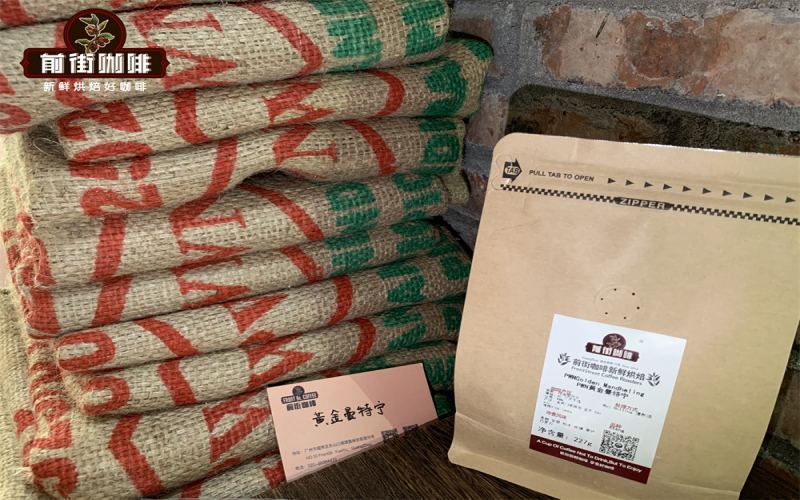
Mandheling Coffee Flavor Analysis: From Typica to Golden Mandheling – Variety Evolution and Brewing Guide
Mandheling coffee is famous for its rich, full-bodied taste and unique herbal spice aroma, but do you know the variety evolution and historical origins behind it? This article will take you deep into the planting changes of Indonesian coffee from Typica to Catimor, analyze the regional flavor that the wet-hulling process gives Mandheling, and trace the birth story of Golden Mandheling and PWN company's strict screening standards. At the same time, Front Street Coffee will share brewing techniques for Golden Mandheling, from dripper selection to parameter control, helping you fully release the rich layers of this dark-roasted coffee. Whether you are a beginner just starting out or a seasoned connoisseur, you can find a Mandheling flavor choice that suits you. [more…]

The Three Evolutions of Orange Peel Pour-Over Coffee: From Fails to Advanced Techniques and Front Street Recommendations
In winter, Gannan navel oranges flood the market. Instead of tossing the peels, they can become a fun tool for pour-over coffee. This article walks you through the evolution of orange peel pour-over from version 1.0 to 3.0, showing how netizens solved clogging and fine grounds issues, and tried fruit drippers like watermelon and mango. Meanwhile, Front Street Coffee recommends beans that pair well with fruity flavors, so you can enjoy a layered pour-over while exploring fruit-infused enhancements. [more…]
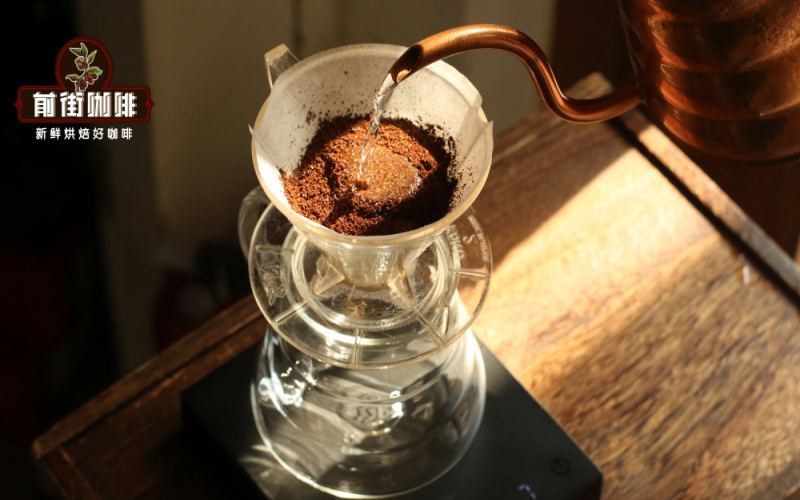
A Century of Evolution of the Melitta Filter Cup: From Blotting Paper Inspiration to a Performance Comparison of the V60 and Kono Pour-Over Filter Cups
Pour-over coffee is inseparable from the dripper, but just how big is the dripper's influence on flavor? This article begins with the Melitta dripper, which went into production in 1912, and traces the story of the birth of the world's first trapezoidal dripper—Mrs. Melitta, inspired by blotting paper, poked holes in a brass cup to filter coffee, but because the filter paper was difficult to fit the cylindrical container, this gave rise to the prototype of the ribs. Afterward, the defect of slow flow in the single-hole design prompted the emergence of multi-hole versions. The article then focuses on the core elements of the dripper: flow rate and flow-guiding performance, and through actual testing of V60 and the Kono short-rib version with Front Street Coffee's Mandheling beans, reveals the practical effects of different drippers on extraction time, mouthfeel, and grinding adjustment. [more…]
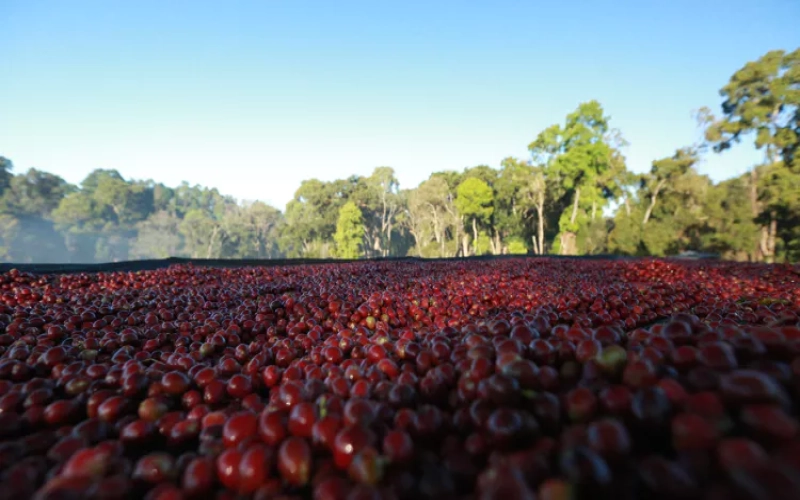
The Evolution of Ethiopian Natural Processing: From Traditional Natural to Refined Natural, How Does the Flavor of Hambela Huakui Differ?
Coffee processing methods have a decisive influence on flavor direction. As the oldest processing method, natural drying has evolved from crude and rough to refined and controllable. From the perspective of Front Street Coffee, this article sorts out the basic principles and historical limitations of natural processing, compares the quality differences between traditional natural processing and refined natural processing, and uses the Hambela G1 coffee from the Guji zone of Sidama, Ethiopia, as an example to analyze how natural processing gives coffee a full body and dark berry notes. It also includes Front Street Coffee's brewing parameters and technique suggestions to help enthusiasts better present the fruit acidity and sweetness of naturally processed beans. [more…]
An Analysis of Yunnan Coffee's Three Major Varieties: Flavor Evolution, Roasting, and Brewing Highlights of Typica, Bourbon, and Catimor
Yunnan coffee, also known as Yunnan small-bean, is renowned for its plump and uniform beans and its mellow, well-balanced taste. Front Street Coffee has always paid attention to China's own coffee, hoping that through a deeper understanding of varieties and flavors, more people can rediscover Yunnan beans. Currently, the varieties that can be produced on a large scale in Yunnan are mainly Catimor, Typica, and Bourbon. This article will review the introduction history and evolution of these three varieties in Yunnan, and, using Front Street Coffee's Huaguoshan Typica and Yunnan small-bean Catimor as examples, present complete information from roasting curves and cupping flavors to brewing parameters, while also introducing the current state of Bourbon cultivation in Yunnan, providing coffee lovers with a practical guide to Yunnan coffee varieties. [more…]
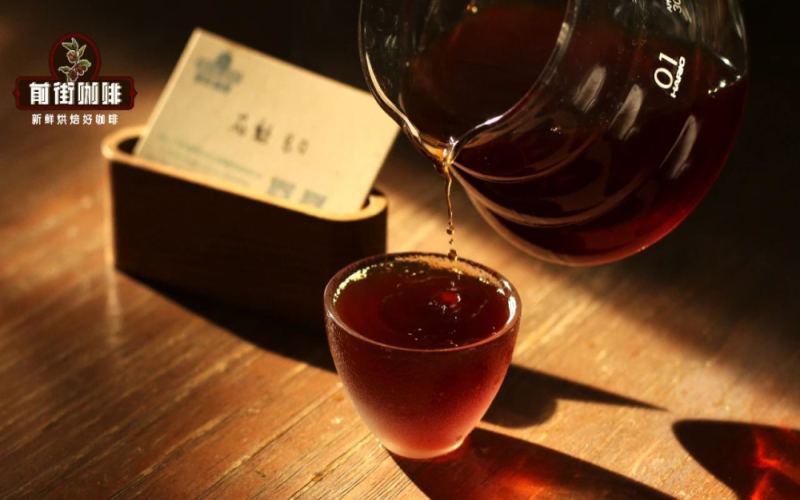
A Comprehensive Analysis of the Naming Origin, Regional Evolution, and Pour-Over Flavor Characteristics of Ethiopian Huakui Coffee Beans
Huakui coffee beans have been one of the most talked-about Ethiopian specialty coffees in recent years, and their name comes from winning the 2017 TOH green bean competition. These beans are produced at the Buku Abel processing station in Guji Hambela, and they have won the favor of coffee lovers worldwide with their natural G1 grade and rich floral and fruity notes. As market demand has grown, DW has successively added processing stations, and Huakui has also spawned different annual batches such as 2.0, 3.0, 4.0, and 5.0, each with distinct flavor differences. Front Street Coffee has long tracked and cupped each batch of Huakui, and this article will provide a complete presentation of the flavor evolution and tasting points of these beans, from the naming story, origin tracing, and processing techniques to roasting curves and brewing parameters, offering coffee lovers a detailed reference. [more…]

An Analysis of the Unique Processing Method, Flavor Evolution, and Front Street Brewing Parameters of Aged Mandheling
Aged Mandheling is a special type of coffee that has undergone prolonged resting and maturation, giving it a flavor distinct from regular Mandheling. It originated in the era of long maritime shipping, and today it relies on strict warehousing management at the origin to "create" beans with soft acidity, full body, honey-like sweetness, and complex aged notes. In this article, Front Street Coffee will start with the origins and key operational points of the aging process, compare the differences between aged beans and fresh beans, analyze changes in green bean appearance and flavor, and include Front Street Coffee's roasting curve, cupping information, and KONO dripper brewing parameters to help coffee enthusiasts understand this "time-brewed" Mandheling. [more…]
Ethiopian Huakui Coffee Pour-Over Guide: Brewing Parameters and Flavor Evolution of Sidamo Hambela Natural Beans
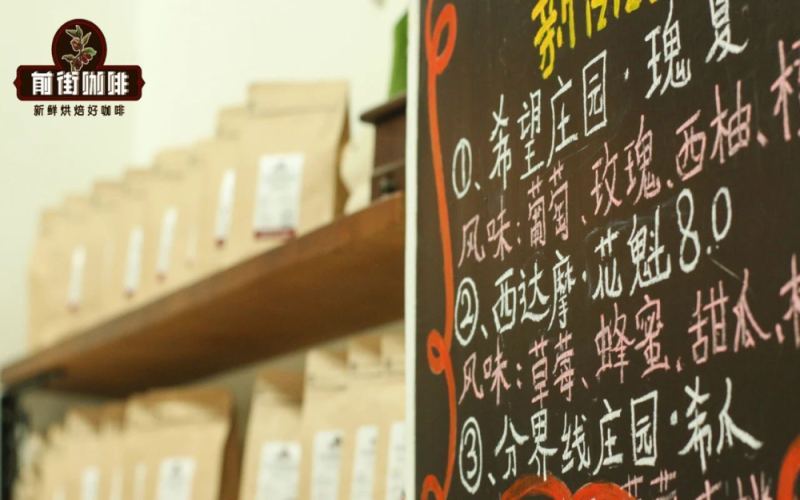
Huakui is the exclusive title for sun-dried G1 coffee beans from the Hambela region of Ethiopia, released each year with a new version number, and its flavor is adjusted according to the changes of each harvest season. This article sorts out the complete thread of Huakui from its origin at the Buku Abel processing station, to DW Company's expansion of production, to the version numbering system, explains its flavor characteristics interwoven with floral notes and tropical fruits, and provides Front Street Coffee's medium-light roast pour-over plan for the new 2025 harvest season Huakui: V60 dripper, 15 grams of coffee, 1:15 coffee-to-water ratio, 90°C water temperature, medium-fine grind, three-stage pouring with a total duration of about 2 minutes 10 seconds. In addition, detailed steps for Huakui 8.0 iced pour-over are included, using a stirring technique combined with ice cooling to present a full juice-like mouthfeel. [more…]
Sun-Dried Processing Method Explained: Flavor Evolution from Traditional Drying to the Red Cherry Project and Key Brewing Points
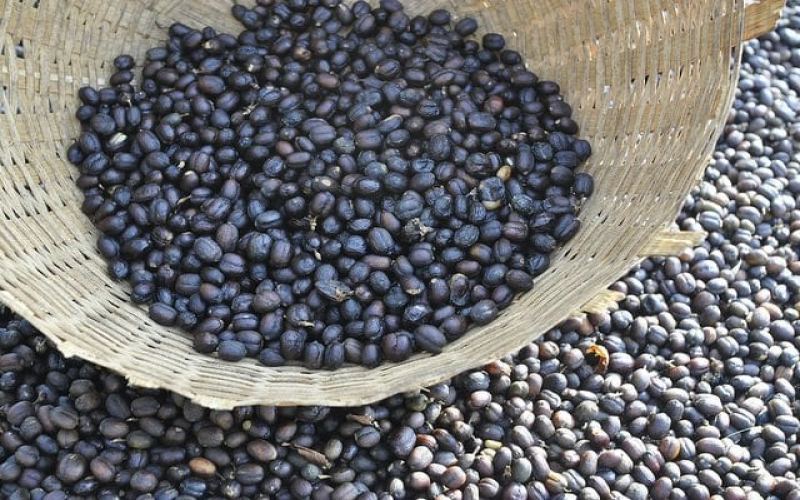
As the oldest method of processing green coffee, the natural process uses sunlight to dry the whole coffee cherry together with its pulp, giving the beans intense tropical fruit notes and fermented sweetness. However, traditional natural processing often carried defective flavors due to lax quality control, and it was only in recent years, driven by the specialty coffee wave and Ethiopia's Red Cherry project, that natural processing moved toward refinement. This article will outline the principles of the natural method, its historical evolution, and the modern operational workflow, and will use Front Street Yirgacheffe Red Cherry natural beans as an example to analyze their flavor characteristics and brewing parameters, helping enthusiasts fully understand the unique appeal of this processing method. [more…]
A Comprehensive Analysis of the Origins, Geographic Distribution, Variety Evolution, and Wet-Hulling Process of Indonesian Mandheling Coffee Beans
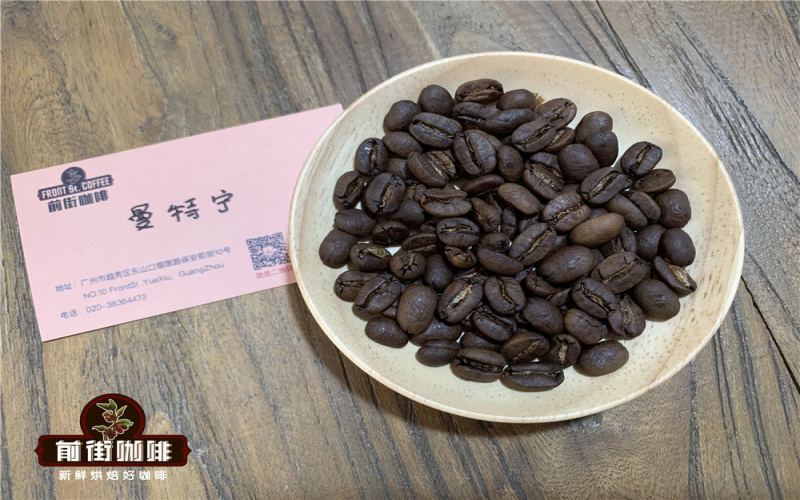
Indonesian coffee is best known to the world as Mandheling, the iconic representative of Asian Arabica coffee, with a complex flavor profile of pine, herbs, nuts, and caramel, and a thick, full body. Behind the name Mandheling lies an amusing story from World War II, while its place of origin, the island of Sumatra, is home to two core growing regions: Lake Toba and Lake Tawar. From the Typica introduced during the Dutch colonial period to the Catimor and Tim Tim planted in response to leaf rust, the varieties of Indonesian coffee have undergone repeated changes. The locally invented wet-hulling method gives Mandheling its distinctive character of low acidity and high body. Front Street Coffee's Lintong Mandheling and Golden Mandheling meet the needs of different coffee lovers with high value for money and fine selection, respectively. This article will systematically sort out the historical thread, regional characteristics, variety evolution, and processing techniques of Indonesian coffee. [more…]
Analysis of Yunnan small-bean coffee varieties and pour-over techniques: Flavor evolution from Typica to Catimor
In recent years, Yunnan arabica coffee has attracted considerable attention in the specialty coffee world, and its variety evolution and flavor performance merit in-depth discussion. Starting from the historical context, this article sorts through the rise and fall of two major varieties, Typica and Catimor, in Yunnan, analyzes the flavor advantages and disadvantages that Catimor brings due to its Robusta genes, and shares Front Street Coffee's experience growing sun-dried Typica at its Lincang estate. At the same time, the article introduces in detail practical parameters for pour-over Yunnan arabica coffee, including grind size, water temperature, coffee-to-water ratio, and a three-stage pouring technique, helping coffee enthusiasts brew a rich, layered, solidly sweet Yunnan flavor at home. [more…]
From Instant to Specialty: A Comprehensive Analysis of Coffee Culture Evolution and Tasting Methods
Coffee is no longer just a pick-me-up; it is a lifestyle that requires understanding to truly savor. This article traces how the three waves of coffee have transformed the coffee journey of Chinese people—from instant coffee blended with creamer, to chain cafés creating a conceptual environment, to specialty coffee advocates returning to the essence of quality. It explains in detail the origins of specialty coffee and the SCAA definition, clarifies the difference between commercial beans and specialty beans, introduces the flavors of well-known single-origin coffees such as Front Street Coffee Blue Mountain, Yirgacheffe, Mandheling, and Geisha, and reveals the science behind roasting and the ritual of pour-over coffee. Only by understanding these things can you truly taste the good coffee in your cup. [more…]
Mantenin Ateng Bean Analysis: From Typica to Catimor Evolution and Golden Mandheling Brewing Guide
Mandheling is a classic category familiar to coffee enthusiasts, but do you know what variety Ateng, used in the Golden Mandheling produced by PWN, actually is? It is actually the local Indonesian name for Catimor. This article will start with the history of coffee cultivation in Indonesia, tracing how Typica was replaced by the more disease-resistant Ateng and Tim Tim, and will explain in detail how Sumatra's unique wet-hulling process gives Mandheling its distinctive herbal and spicy notes. At the same time, the article will also cover the origins of Golden Mandheling and its connection to the Japanese market, as well as the pour-over parameters and tasting experience recommended by Front Street Coffee, helping you gain a comprehensive understanding of the background and brewing key points of this full-bodied coffee bean. [more…]
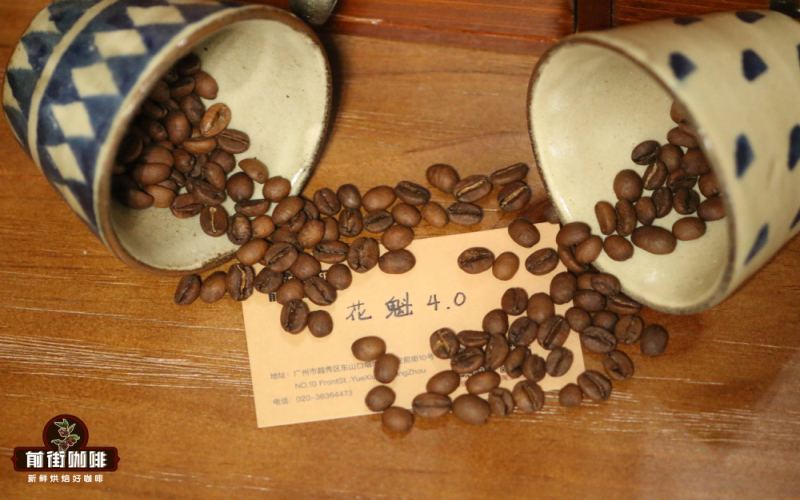
Flavor Analysis of Ethiopia Guji Hambela Hambela Coffee: Examining the Flavor Evolution of Dega Varieties Through Hambela 4.0
Since winning the championship in 2017, Huakui coffee has captured the hearts of many coffee lovers with its strawberry and cream-like aroma. From its first generation to version 4.0, this natural-process bean from the Guji Hambela region of Ethiopia has undergone variety changes and production-area expansion, and its flavor has changed accordingly. This article will systematically sort out the origin story of Huakui, methods for identifying the real from the fake, the characteristics of the Dega variety, and Front Street Coffee's roasting and brewing practices, taking you through a comprehensive understanding of exactly how Huakui 4.0 differs from previous generations, and how to brew a cup of richly layered Hambela natural coffee at home. [more…]
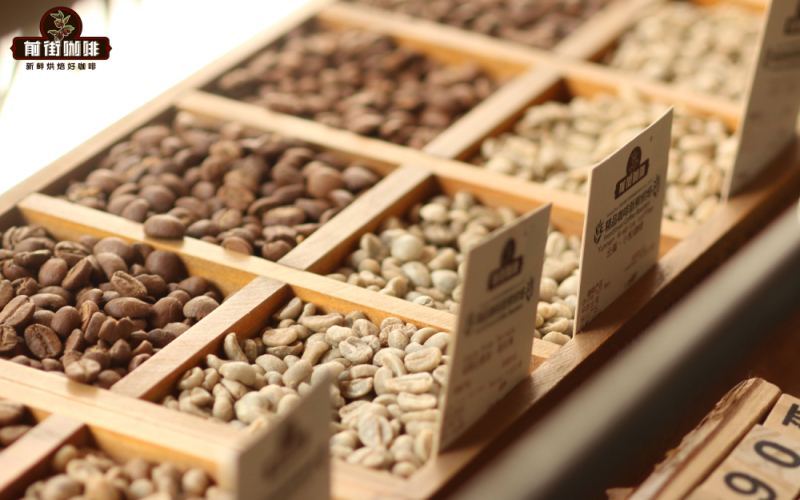
A Complete Analysis of Ethiopia's Sidama Coffee Region: Flavor Evolution of the Huakui Series and Pour-Over Parameter Guide
Sidamo is one of Ethiopia's three major specialty coffee regions, ranking alongside Yirgacheffe and Harar. This region stretches south of Lake Awasa in the East African Rift Valley, at elevations of 1,500 to 2,200 meters, with a mild climate, slow-ripening fruit, and full-bodied flavors. Sidamo is renowned for its natural processing method, presenting wild berry and creamy textures. In recent years, Sidamo has achieved outstanding results in TOH and COE competitions. The Huakui series currently offered by Front Street Coffee originates from Hambela in the Guji zone of Sidamo, and its popularity has remained strong since winning the 2017 TOH championship. This article provides a detailed explanation of Sidamo's terroir, the origin of the Huakui name, the evolution of its various versions, and includes brewing recommendations for Front Street Huakui 8.0. [more…]
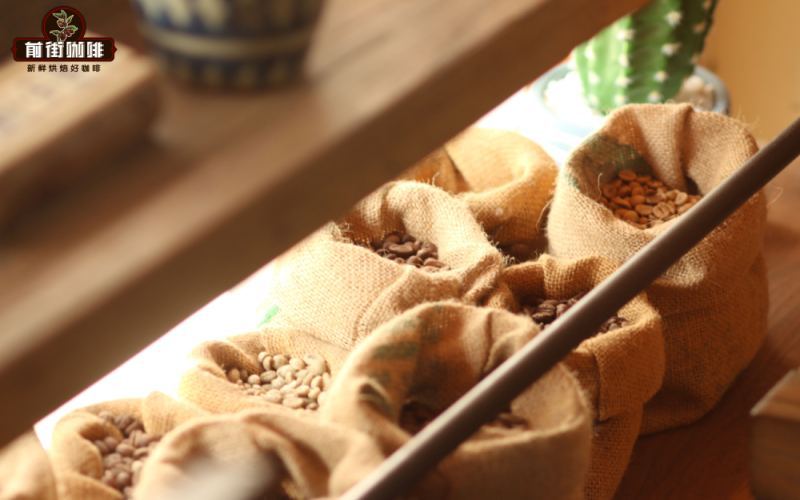
A Comprehensive Analysis of the Flavor Characteristics and Regional Evolution of Yirgacheffe Coffee Beans: From the Sidamo Label to an Independent Origin's Specialty Journey
Yirgacheffe is one of Ethiopia's most representative specialty coffee regions, renowned worldwide for its bright floral and fruity acidity and delicate mouthfeel. This article systematically reviews the evolution of the Yirgacheffe region, its unique terroir conditions, the introduction of the washed processing method and its impact on flavor, and provides a detailed introduction to the flavor differences among the many Yirgacheffe coffee beans on Front Street Coffee's bean shelf, including representative products from different processing methods such as Gutingding, Red Cherry, Kochere, Konga, and Aricha. At the same time, the article also provides Front Street's medium-light roast profiles and V60 brewing parameter recommendations for Yirgacheffe, helping coffee enthusiasts gain a more comprehensive understanding of the terroir charm of this classic African region. [more…]
Analysis of Pour-Over Choices and Flavor Characteristics for Ethiopian Sidamo Natural Process Coffee Beans
The flavor profile of coffee is closely tied to how the green beans are processed. As one of the oldest coffee processing methods, the natural process has undergone a long evolution in quality, from the crude ground-drying of early days to today's meticulous raised-bed management. Natural beans from the Sidama region of Ethiopia have gradually won the favor of the specialty coffee world with their full body and bright berry notes. From the perspective of Front Street Coffee, this article traces the evolution of the natural process, compares the flavor differences between washed and natural coffees, and uses the new-crop Huakui as an example to provide specific pour-over parameters and extraction ideas, helping coffee lovers more clearly understand the logic of selecting and brewing natural coffee beans. [more…]